


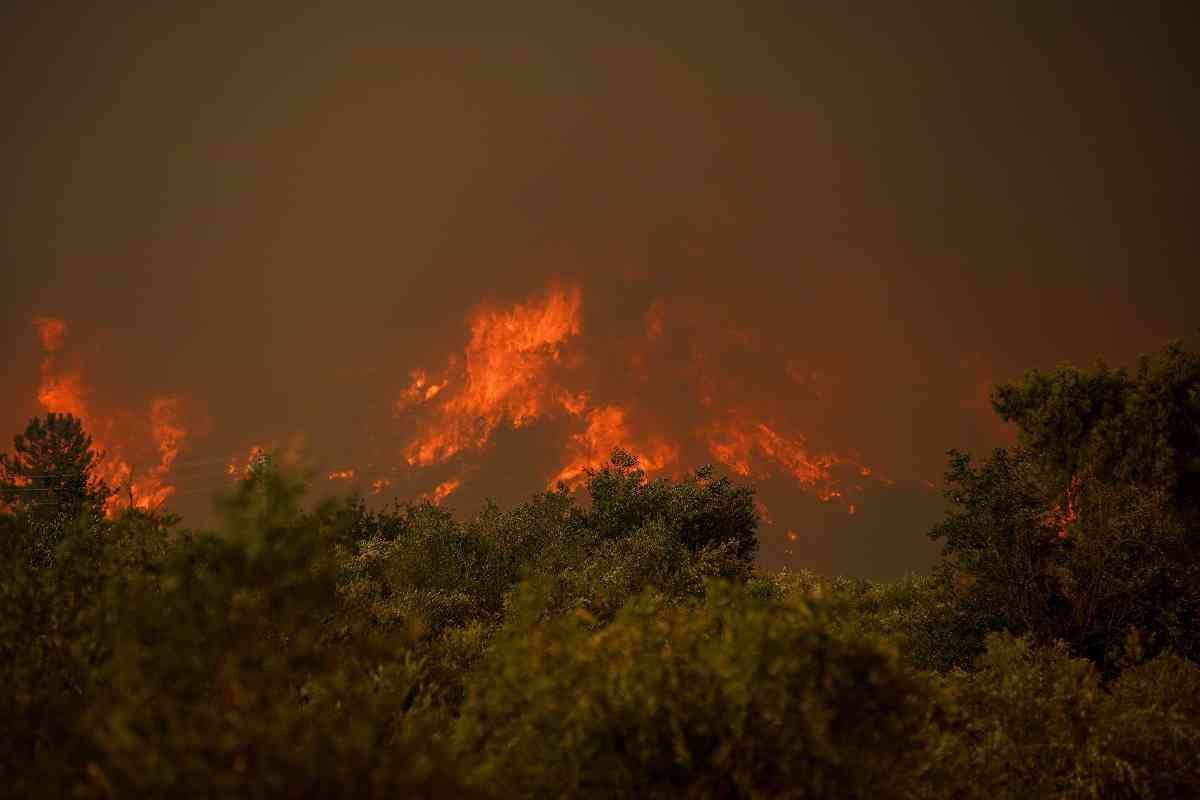
Below is an update on the major active fires, alongside critical checklists for emergency evacuation planning and steps you can take right now to streamline the insurance claims process if you face a loss.
Current Wildfire Impact Zones:
Severe dry, hot, and windy conditions continue to challenge containment efforts. Keep a close eye on local emergency alerts if you reside in or near these heavily affected regions
- Pueblo and Custer Counties (Aspen Acres Fire): Approaching 100,000 acres, this fire remains a serious threat to communities like Rye, Beulah, and Wetmore, with thousands under mandatory evacuation orders or pre-evacuation warnings.
- Ouray, Gunnison, Montrose, and Hinsdale Counties (Gold Mountain Fire): Active across the Uncompahgre National Forest, burning near Ouray, Ridgway, and the Silver Jack Reservoir area.
- Montezuma and Dolores Counties (Ferris Fire): Exceeding 64,000 acres following its merger with the Doe Canyon Fire, creating substantial land closures and impacting communities near Dolores.
- Lake County (Willow Fire): Burning more than 6,500 acres near Leadville.
- Routt County (Green Ridge Fire): Burning south of the Stagecoach Reservoir.
Evacuation Planning & "Go Bag" Checklist:
If local officials issue a Level 2 (Set) pre-evacuation or Level 3 (Go) mandatory order, you should be ready to leave immediately. Structure your evacuation plan around the 'Six P's':
- People and Pets: Formulate an emergency communication plan. Ensure pets are leashed or crated, and have enough pet food and water for several days.
- Papers, Phone Numbers, & Important Documents: Store birth certificates, passports, social security cards, titles, and insurance policy numbers in a waterproof, portable container.
- Prescriptions & Medical Needs: Gather at least a 7-day supply of all medications, extra eyeglasses, and medical equipment.
- Pictures & Irreplaceable Memorabilia: Prioritize small, easily transportable family heirlooms, hard drives, or photo albums.
- Personal Computer & Electronics: Pack laptops, external drives, phone chargers, and backup power banks.
- Plastic (Cards), ID, & Cash: Keep physical cash on hand, as power outages can take local ATMs and credit card readers offline.
Preparing for an Insurance Claim Before Disaster Strikes:
While we hope you never have to file a claim for fire damage, taking a few minutes to document your home right now can dramatically accelerate your recovery and financial peace of mind later.
- Conduct a Quick Video Walkthrough: Go room to room with your smartphone. Open closets, cabinets, and drawers. Film every angle, noting electronics, appliances, and high-value items.
- Upload to the Cloud: Do not leave your digital records on a home computer. Upload your home inventory video and photos to a secure cloud service (like Google Drive, iCloud, or Dropbox) so you can access them from anywhere.
- Keep Receipts for Major Purchases: If you bought new furniture, appliances, or jewelry recently, digitize those receipts and keep them in your secure cloud folder.
- Review Your Policy Coverage: Make sure you know your policy limits for "Loss of Use" or "Additional Living Expenses" If you are forced out of your home by a mandatory evacuation or fire damage, your insurance may help cover temporary housing, restaurant meals, and storage costs.
If you are an RMIC policyholder and need to report an active threat to your property or begin a claim, give us a call at 720.335.6872. We stand ready to help our fellow Coloradans rebuild and recover.
Colorado’s wildfire-then-flood risk makes it worth double-checking your coverage. Learn more about our homeowners insurance and flood insurance options.