


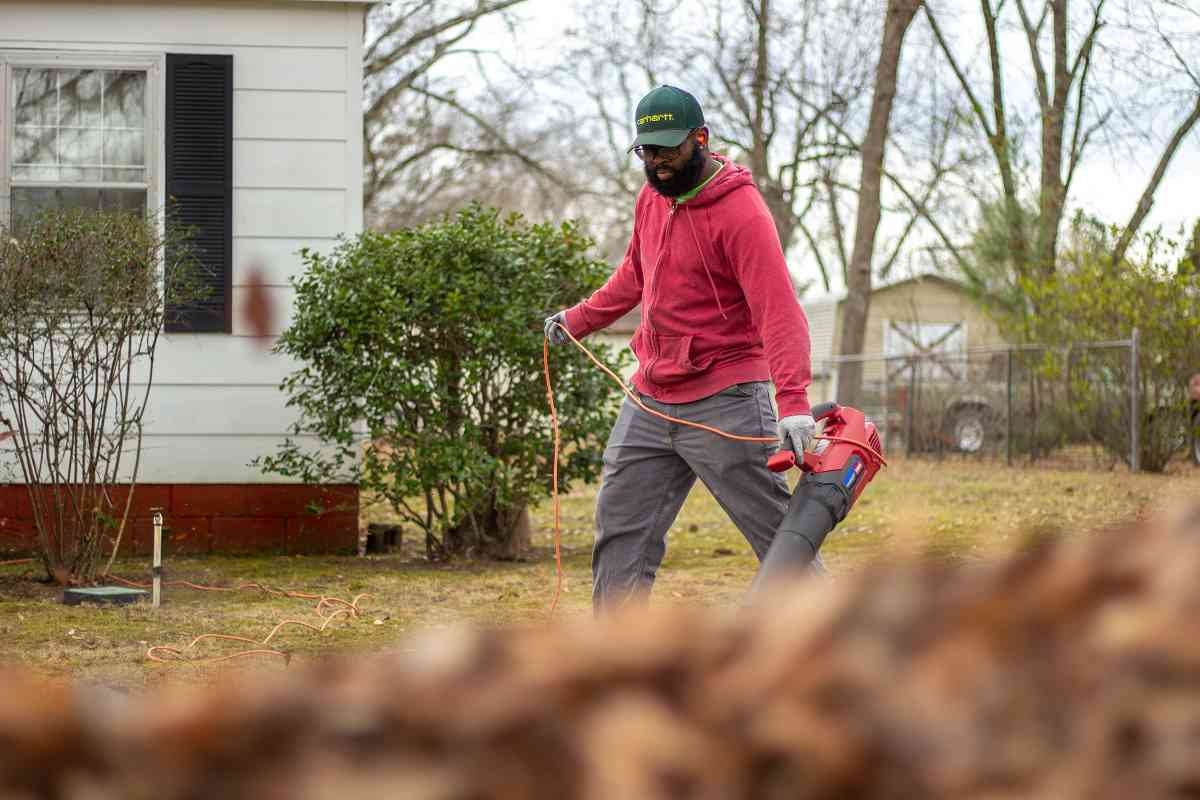
Autumn along the Front Range brings crisp mountain air, stunning golden leaves, and rapid, unpredictable shifts in weather. Temperatures can plummet from 75°F to below freezing in a matter of hours. For homeowners, these dramatic seasonal swings present distinct risks, from burst pipes to ice dams and autumn wildfire hazards.
Here is your 12-point autumn home maintenance checklist tailored specifically for Colorado homeowners:
1. Disconnect and Drain Outdoor Hoses & Spigots
Colorado’s first hard freeze often arrives unexpectedly. Leaving a garden hose attached to an outdoor spigot traps water inside the pipe within your home's exterior wall. When it freezes and expands, the pipe bursts inside the wall - leading to massive basement flooding once it thaws. Disconnect all hoses, drain them, and install insulated frost-proof faucet covers.
2. Blow Out In-Ground Sprinkler Systems
Shut off the main water valve to your irrigation system and schedule a professional blow-out using compressed air. Remaining water in plastic valves, backflow preventers, and underground lines will freeze, crack, and create expensive repairs come spring.
3. Clean Gutters & Clear Roof Valleys
Pine needles, oak leaves, and debris collect quickly in roof valleys and gutters. Blocked gutters prevent melting snow from draining properly, leading to ice dams, which are thick ridges of ice that force water backward under roof shingles and into your ceilings and interior walls.
4. Service Your Furnace & Replace Filters
Schedule an annual HVAC inspection before you turn on the heat full-time. A professional technician will inspect heat exchangers for dangerous carbon monoxide leaks and ensure efficient burner operation. Replace your air filter to maintain airflow and lower heating costs during severe cold snaps.
5. Sweep and Inspect Chimneys & Wood Stoves
Before lighting the season’s first fire, have a certified chimney sweep remove creosote buildup. Creosote is highly flammable and a primary cause of residential chimney fires. Ensure dampers open and close smoothly, and check that flue caps are secure to keep wildlife out.
6. Audit Defensible Space for Late-Season Wildfire Risk
Autumn winds across the plains and foothills make late season a prime time for wildfire activity. Clear dry leaves, pine needles, and dead vegetation within 5 feet of your foundation and under wooden decks. Prune tree branches hanging within 10 feet of your roofline.
7. Seal Exterior Cracks, Windows, and Doors
Inspect exterior caulk around window frames, door trim, and siding penetrations (like gas lines and vent outlets). Gaps allow warm air to escape, increasing energy bills, while providing an entryway for field mice seeking warmth as temperatures drop. Apply outdoor-rated silicone caulk and replace worn weatherstripping.
8. Reverse Ceiling Fan Rotations
Switch your ceiling fans to run clockwise at low speed. This creates a gentle updraft that redistributes warm air trapped at the ceiling back down into your living space, reducing heating load without creating a cool breeze.
9. Inspect and Test Smoke & Carbon Monoxide Detectors
With furnaces, fireplaces, and space heaters working overtime, autumn is the critical time to test life-safety devices. Replace batteries in all smoke and carbon monoxide alarms, and check the expiration date printed on the back of each unit (most CO detectors need replacement every 5–7 years).
10. Trim Overhanging Tree Branches
Heavy, wet Colorado snowfall - especially early-season snows while trees still retain leaves - causes large branches to snap under the weight. Trim dead or overhanging limbs that hover near your roof, driveway, or power lines to prevent structural damage or power outages.
11. Clean Dryer Vents & Ductwork
Lint accumulation in dryer ductwork combined with dry, low-humidity air creates a major fire hazard. Pull your dryer away from the wall, disconnect the ducting, and vacuum out accumulated lint all the way to the exterior exhaust wall vent.
12. Conduct a Pre-Winter Home Insurance & Inventory Review
Has your home's replacement value changed this year due to inflation, building material costs, or home upgrades? Take 10 minutes to walk through your home with your phone camera to film a quick visual inventory of personal property, then review your policy limit with a local agent to ensure you aren't underinsured.
A quick policy review ensures your dwelling coverage matches current local rebuild costs. Contact us today to audit your home, auto, or umbrella coverage before winter sets in.
Keeping up with home maintenance is one of the best ways to prevent costly claims. Make sure your homeowners insurance matches your home’s current needs.