


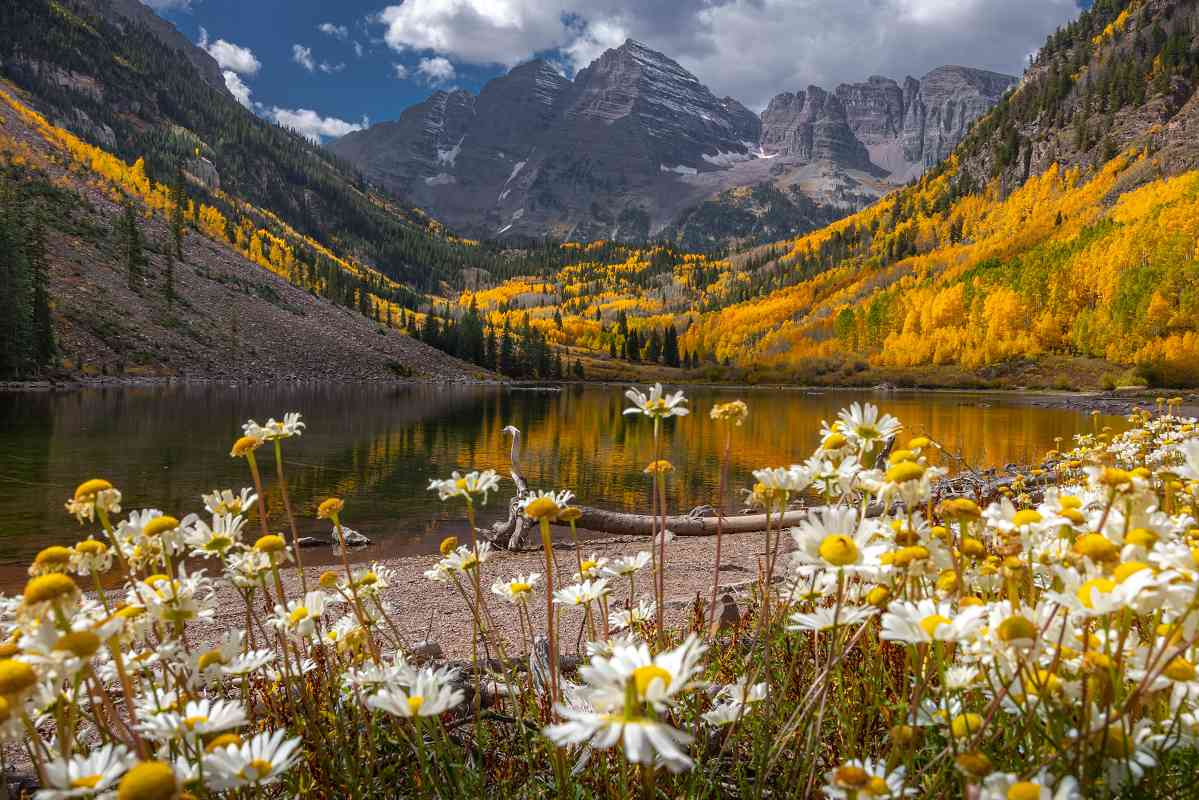
Late summer in Colorado brings crisp morning air, ideal outdoor temps, and spectacular high-country scenery. But anyone who has spent a few seasons in the Rockies knows that August and September weather can change in a flash.As summer moisture patterns shift, late summer brings a unique blend of weather risks - from monsoonal downpours to sudden temperature drops. Protecting your property and staying safe starts with knowing what hazards to expect.
- Monsoonal Moisture & Flash Flood Risks:
Mid-to-late summer marks peak North American Monsoon activity across the Southwest, channeling Gulf moisture directly into the Colorado Rockies. Intense, localized downpours can drop inches of rain in less than an hour. Mountain Canyons & Burn Scars: Steep canyons and areas recently impacted by wildfires are exceptionally vulnerable to rapid flash flooding, mudslides, and rockfalls.Property Defense: Ensure home rain gutters and downspouts are clear of leaves and pine needles to prevent roof backups and basement flooding.
- Microbursts and High-Altitude Hail:
While early summer claims most severe tornado activity on the plains, late summer mountain storms frequently generate destructive microburst winds and sudden hail storms.Vehicle Damage: Hail can cause thousands of dollars in body and windshield damage within minutes. Parking under covered structures or garage spaces when storms roll in is your best line of defense.Outdoor Gear: High winds can easily flip outdoor furniture, trampolines, and patio umbrellas, causing secondary damage to windows or siding.
- Early High-Country Snow & Freezing Temps:
Late summer in the high country frequently brings rapid temperature drops. By early September, high-elevation passes (above 10,000 feet) can see sudden freezing rain, sleet, or early snowstorms overnight.Road Preparedness: Keep an emergency kit in your vehicle containing extra blankets, water, non-perishable food, a flashlight, and a portable phone charger. Check tire tread depth before taking long mountain drives.
- Lightning Hazards Above Treeline:
August afternoon thunderstorms develop fast. Because sound travels differently in the mountains, you may not hear thunder until a storm is directly overhead.Rule of Thumb: Follow the local "off the summit by noon" rule when hiking. Seek shelter in a hard-topped vehicle or enclosed building if thunder roars, never under an isolated high tree.
- Wildfire Risk & Smoke/Air Quality
Late summer is peak wildfire season for Colorado, driven by dry vegetation, low humidity, and afternoon wind gusts that can turn a small ignition into a fast-moving fire. Beyond direct property risk in wildland-urban interface areas, smoke drift from fires — even ones burning states away — can trigger poor air quality days along the Front Range for weeks at a time.
- Increased Wildlife Collisions
Elk and deer rutting season ramps up in September, and animals become significantly more active, and less predictable, near roadways - especially at dawn and dusk. Combined with shorter daylight hours starting to creep in, this is when wildlife-vehicle collisions start climbing across mountain corridors and rural highways.
- Drought Conditions & Lawn/Landscape Damage
August is often Colorado's driest stretch, and prolonged drought stress doesn't just brown lawns; it can crack foundations as soil shrinks and pulls away from structures, and it significantly raises fire fuel load around homes.
- West Nile Virus & Mosquito-Borne Illness
Colorado sees its peak West Nile virus activity in late summer, particularly along the Front Range where standing water (irrigation, storm drainage, ponds) supports mosquito populations through August and into September.
When severe weather hits, having the right insurance coverage gives you complete peace of mind. Standard policies handle many weather events, but critical gaps can remain.
At RMIC, we help our neighbors prepare for Colorado's unpredictable climate. Contact our team today for a quick coverage review so you can enjoy the rest of the season worry-free!
Keeping up with home maintenance is one of the best ways to prevent costly claims. Make sure your homeowners insurance matches your home’s current needs.